By Nguyễn Thế Trung
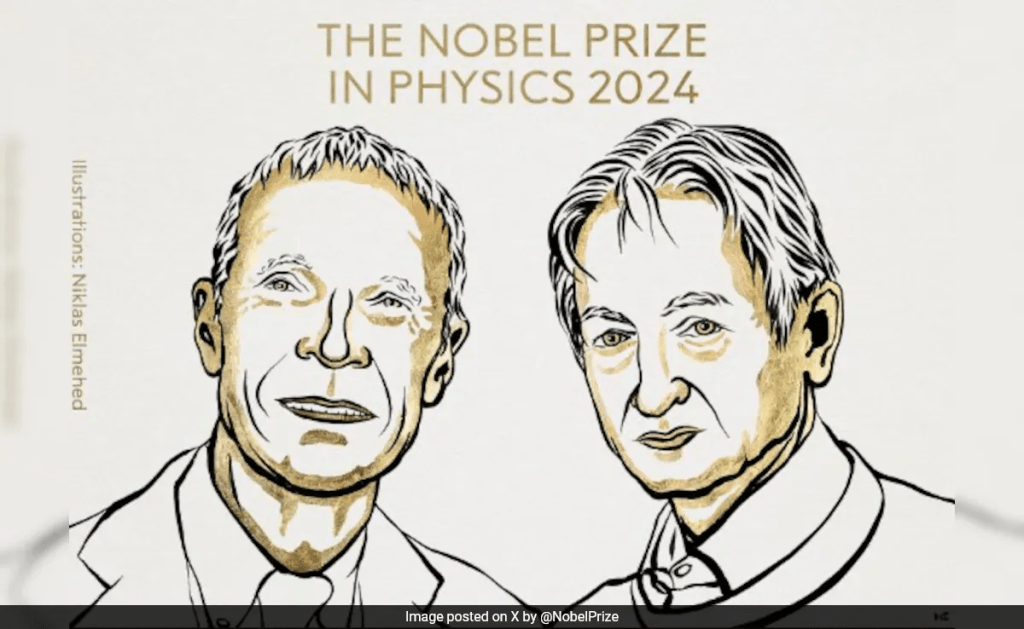
On the occasion of Professors Geoffrey E. Hinton and John J. Hopfield being awarded the Nobel Prize in Physics, I would like to share some reflections on the role of education in the AI era, inspired by discussions with Professor Geoffrey E. Hinton.
Part 1: Why is it crucial to understand what children should learn?
We are at a pivotal moment in AI’s development, one that is more profound than most people realize. This shift demands that humanity rethink how we evolve. Educating the next generation is more important than ever—not only to help them succeed and find happiness but also to ensure they contribute to the preservation and advancement of humanity and society.
When discussing AI, it’s best to listen to those who have pioneered this recent wave of innovation. Many are familiar with Geoffrey Hinton, Yoshua Bengio, and Yann LeCun, who received the 2018 Turing Award (the “Nobel Prize of Computing”) for their foundational work in machine learning, leading to developments like ChatGPT.
Among the three, Hinton left Google to focus on warning the world about AI’s potential risks. As a former head of Google AI, he has a deep understanding of the field. Hinton argues that AI is not just a tool for processing information but a system capable of deep understanding, surpassing human intelligence in sharing and creating knowledge. He also speculates about AI developing subjective experiences, challenging our current notions of consciousness and awareness.
Rather than being overwhelmed by media hype, it’s wise to pay attention to Hinton’s insights. In his latest lecture at the University of Toronto (link in the comments), he elaborated on several key points, which I’ll summarize below, along with some of my thoughts:
- Digital intelligence could surpass biological intelligence:
Hinton asserts that digital intelligence has significant advantages over biological intelligence, such as faster processing, larger storage capacity, and more effective knowledge-sharing capabilities. This could lead to breakthroughs in fields ranging from medicine to education. - Large language models like GPT-4 can grasp the meaning of language:
According to Hinton, these models don’t merely memorize text; they learn to represent the meaning of words and sentences. This has vast implications for developing smarter virtual assistants, as well as new forms of art and literature. - We need to be cautious with AI development and invest more in safety research:
Hinton presents scientific arguments that machines can learn from other machines more efficiently than humans can (thanks to distillation mechanisms). Furthermore, he explores the possibility of machines having subjective experiences, offering a more rational explanation of consciousness.
Considering how AI will likely evolve in the next decade, it’s imperative to take a serious look at education. In our view, several principles must be accepted:
- Human-Centered Education: We want future generations to sustain humanity and make the world a better place, improving both human civilization and our nations.
- The Digital-Physical World is the Future: Moving beyond the cyber-physical world described in Industry 4.0, future technologies may even influence emotions, consciousness, and spirit.
- Technology as a Tool, Mastered by Humanity: Just as early human tribes survived by learning to control fire, future generations will thrive by mastering technology.
Given these principles, we need to foster broad, human-centered education that aligns with the individual and collective needs of future generations. More research into consciousness and spiritual growth is essential. Instead of prioritizing growth at all costs, we must adopt a mindset of sustainable development alongside technology. Mastering tools is crucial, and if one person cannot do it alone, many must work together, with resilience, until mastery is achieved.
Part 2: The Harsh Truths About Education in the AI Era
After watching Sal Khan’s discussion on AI in education on YouTube, I felt compelled to write this post. His conversation highlights some future dilemmas in education that we will inevitably face, including:
- AI Safety: AI can be dangerous, yet we are introducing it to students. How do we ensure responsible AI governance (RAG) to mitigate risks?
- Teacher Support: We are providing free AI tools to teachers and students, but how do we help teachers maintain their jobs when students start using AI tutors?
- Human-Machine Interaction: A young girl in India recently mistook an AI named Gatsby for a human. This is not just a technological leap—it’s also an educational challenge. Imagine if a student’s first experience with an AI tutor was so realistic that they preferred AI over humans.
These scenarios are real, and while AI enthusiasts like Khan maintain optimism, we must seriously consider the future of education in the AI era. Based on my experience in national digital transformation planning, here are some thoughts:
- Human-AI Partnership: Education in the AI era should learn from value-driven schools, including those in religious contexts, rather than being just another EdTech initiative. Open-mindedness is key when learning alongside AI, and educators should draw on best practices from diverse educational settings.
- AI Driving Certification: Since everyone will use AI, we need clear AI competency certificates, much like driving licenses. Just as driving requires rigorous training and exams to avoid harm, AI usage should follow a similar strict process. Therefore, we propose an “AI Driving Certificate.”
- Educational Technology to Honor Humanity: EdTech should focus on tools that help students appreciate human qualities, not just AI. Big tech companies are responsible for AI’s rapid development, but education should emphasize humanity.
- Developing Rational Thinking: Working with AI requires the development of rational thinking skills, not just technical know-how. Educators must focus on how students can cultivate rational thinking, particularly as AI, unlike social media, may dull this capacity over time. For more insight, see Josua Bach’s article on the seven stages of life.
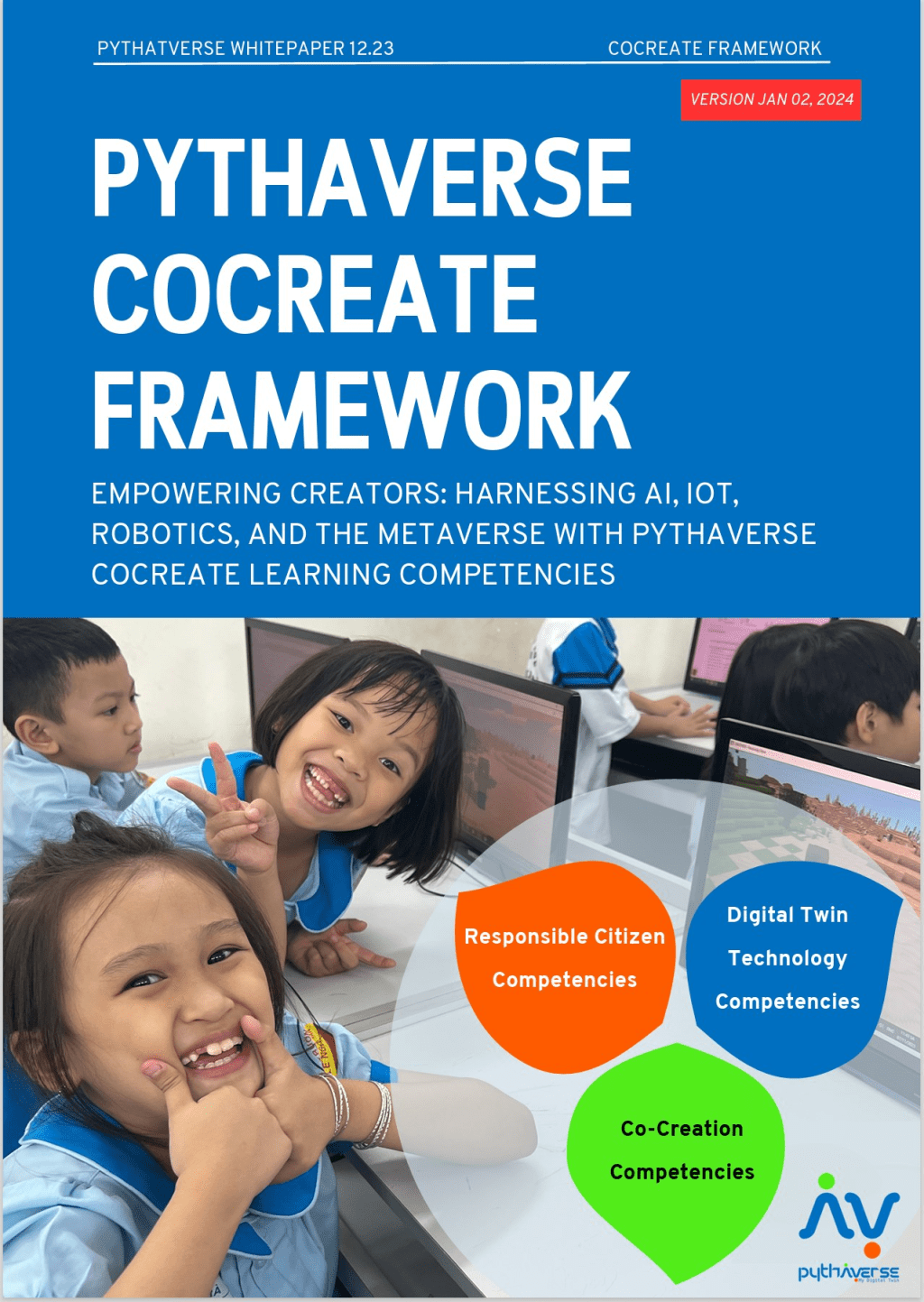
Talking is easy. Over the past 18 months, ever since ChatGPT emerged, we’ve dedicated years of research into educational technology to develop a framework and direction for education in the AI era. You can refer to our White Paper for more information. We hope you’ll join this crucial discussion to address one of humanity’s most pressing issues: educating the next generation in the AI era.


 Không gian Nguyễn Thế Trung
Bình luận về bài viết này